 English
 Español
 عربي
عربي When Mike took over the family converting business, he thought the hardest part would be finance. But on his first shop-floor walk, the lead operator threw out a sentence that stopped him cold: “The unwind brake is hunting, the rewind is telescoping, and we’re stacking manually because the layboy jogger is out of sync.” Mike nodded as if he understood. He didn’t.
That afternoon, he pulled out the equipment manuals and quickly realized that these three words — unwind, rewind, and layboy — weren’t just jargon. They described the three fundamental stages that determine whether a converting line runs profitably or bleeds material through waste and downtime.
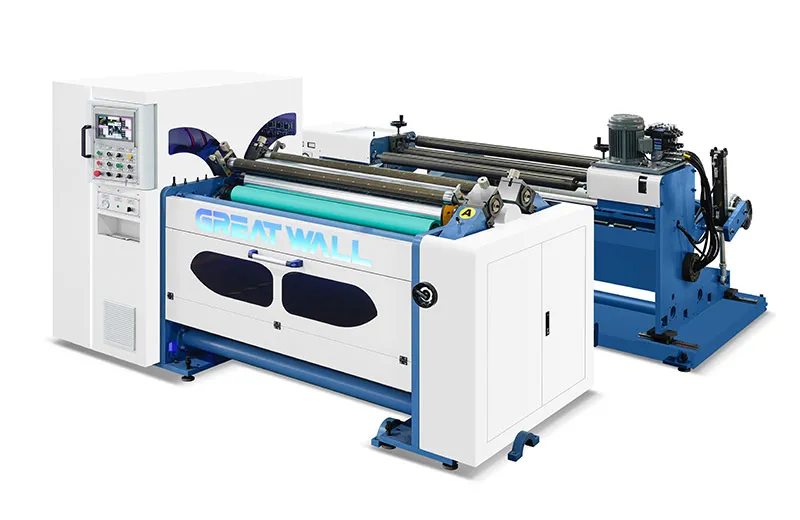
In this article, we’ll break down exactly what each term means, where things commonly go wrong, and what to look for if you’re evaluating new or upgraded equipment. If you’re currently mapping out a line for films, paper, or flexible packaging, you may want to explore modular configurations that address these three stages in one integrated system.
Unwind: The Starting Point of Any Converting Line
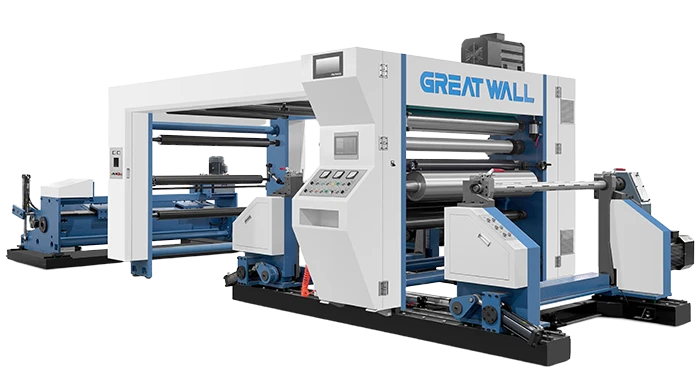
The unwind station does exactly what it sounds like — it holds the master roll and feeds material into the process at a controlled tension. But a “controlled tension” is where the art lies.
A basic unwind stand includes a shaft or chucking system (often pneumatic), a brake or motor, and a tension-sensing mechanism. In more advanced setups, you’ll find closed-loop tension control with load cells and an anti-vibration frame that compensates for out-of-round rolls.
The two most frequent unwind problems we see in the field:
-
Tension spikes during roll changes. If the brake doesn’t stage properly or the inertia compensation is off, the sudden jerk can snap the web — especially on thin films below 12 microns.
-
Telescoping at splice initiation. When operators don’t zero the dancer roller before splicing, the resulting slack creates lateral shifting that propagates all the way to the rewind.
From a specification standpoint, the unwind capacity (maximum roll diameter and weight), shaft type (air shaft vs. mechanical chuck), and tension range should match your thickest, heaviest material — not your average job. A processor running both 350-micron rigid PET and 9-micron CPP needs a drive capable of maintaining ±1% tension across that full range, which is where servo-driven unwinds with regenerative braking become a practical necessity rather than an upsell.
Rewind: More Than Just Winding Up
If unwind is about releasing material smoothly, rewind is about building a finished roll that won’t embarrass you at the customer’s site. The rewind station pulls the slit strips and winds them onto cores with a specific tension profile, often using a technique called taper tension.
Why does taper matter? As the roll diameter grows, the outer layers can crush the inner layers if tension stays constant. Taper gradually reduces winding tension as the roll builds, preventing crushed cores, starring, and telescoping. The formula most cited in industry references (based on principles from the TAPPI winding guidelines) ties the taper percentage to material modulus: high-modulus materials like PET tolerate less taper; extensible films like LDPE need a steeper taper curve.
A critical choice in rewind design is surface winding versus center winding. Surface (or drum) winding provides a more uniform roll density and excels at high speeds, but limits roll diameter. Center winding — where the core is directly driven — offers more flexibility for larger diameters and softer materials but requires extremely precise speed matching when running duplex or differential shafts. High-precision duplex rewind systems that can toggle between gap and contact winding modes give operators a practical way to switch between paper, film, and laminate without retooling for hours.
A common trap: operators often compensate for poor slitting blade condition by increasing rewind tension to “pull the strips straight.” This masks the root cause and leads to blocked rolls or customer complaints about baggy edges. If you’re adjusting taper every shift, check the blades first.
Layboy: The Unsung Hero of Sheet Delivery
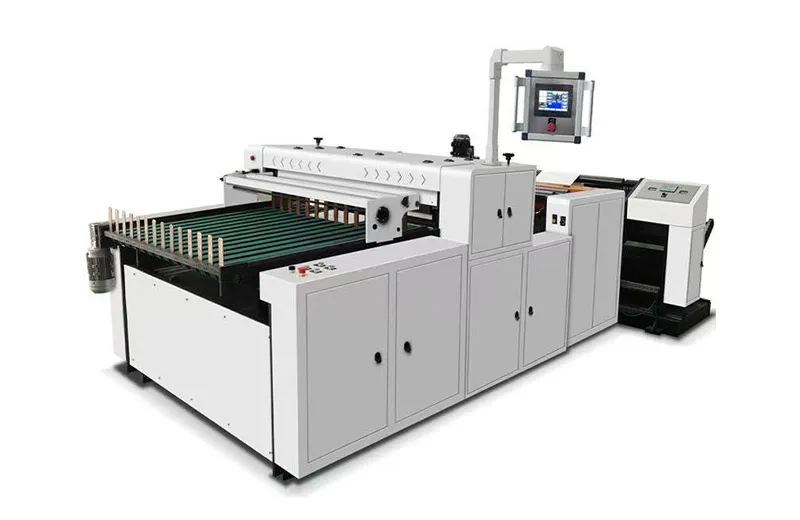
Not every product ends up as a roll. When slitting lines convert paper, cartonboard, or certain films into sheets, the output needs to be stacked — and that’s where the layboy comes in.
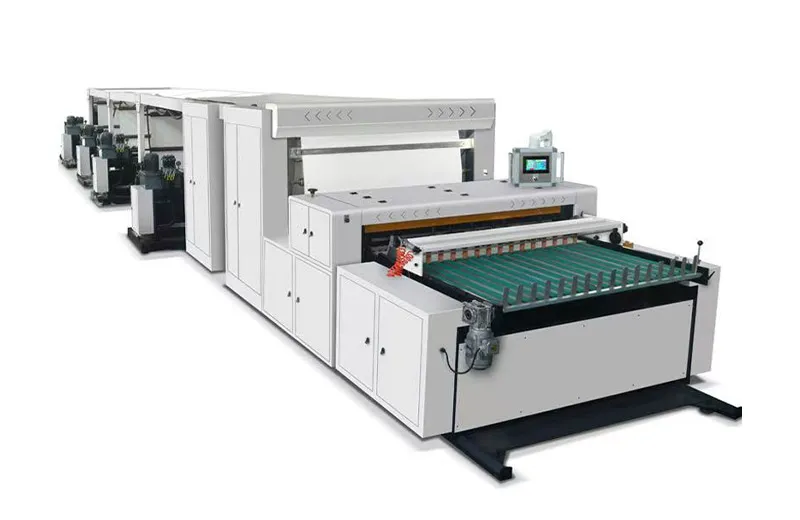
A layboy (also called a sheet delivery or stacking station) receives cut sheets and arranges them into neat piles. It sounds simple, but at speeds above 150 m/min, sheet control becomes a real physics problem. The layboy typically includes a vacuum slowdown section, overlapping tape system, or air-flotation table to decelerate sheets without scratching them, followed by a jogger that aligns the stack.
The biggest misconception I encounter is that a layboy is just a passive “tray.” In reality, proper layboy setup affects downstream processes directly — uneven stacks jam automatic feeders in printing or packaging lines. One carton converter I spoke with reduced their customer rejects by 30% simply by upgrading to a layboy with servo-driven side joggers and a pallet lift that maintains a constant drop height.
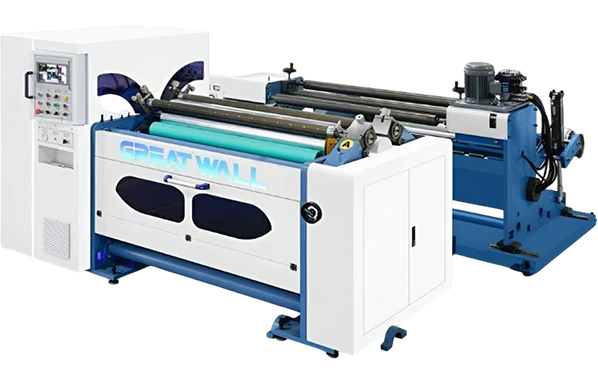
For operations running both roll-to-roll and sheet-to-sheet products, the ability to add a layboy module to an existing slitting line — rather than buying a separate sheet cutter — can change the payback math entirely. Integrated stacking solutions that bridge roll and sheet delivery are becoming the norm in mid-volume converting houses that need flexibility without dedicating floor space to two machines.
Common Mistakes and How to Avoid Them
Having walked through dozens of converting plants, here are the patterns I see repeatedly — and how to sidestep them:
-
Treating unwind, slitting, and rewind as independent settings. They form a closed loop. A tension change at unwind shifts the slit width slightly; a rewind speed adjustment affects the slitting blade entry angle. Always tune the entire line when changing materials.
-
Ignoring the taper curve until rolls telescope. If you’re setting taper as a single fixed percentage rather than a profile (e.g., 40% initial, ramping down to 20% at full diameter), you’re leaving yield on the table — especially on film grades prone to gauge-band buildup.
-
Skipping the layboy maintenance schedule. Worn slowdown belts, misaligned overlap rollers, and dirty jogger sensors are the top three causes of layboy-induced downtime. A 20-minute weekly checklist can prevent hours of lost production.
-
Overlooking operator training on terminology itself. When the team speaks a common language about unwind tension zones, rewind taper profiles, and layboy sequencing, troubleshooting conversations shift from “the machine is acting up” to “the unwind load cell needs recalibration” — and that precision saves time and money.
Bringing It All Together
Whether you’re running a single-station slitter that processes 300-mm-wide tape or a 2-meter-wide line for flexible packaging, these three stages — unwind, rewind, and layboy — are the architecture of your quality output. Understanding them doesn’t just make you fluent in converting terminology; it gives you a diagnostic framework you can use every day.
If you’re seeking a deeper level of control — where these stages are designed to work as a coordinated system rather than bolted-together components — Changcheng’s approach to integrating unwind, slitting, rewind, and layboy modules offers a practical reference point. Their engineering team starts each project by mapping the material’s modulus, gauge range, and downstream requirements before proposing a configuration, which aligns with the ISO 12643 safety standard for converting machinery and the kind of systematic selection process this article advocates. Get a tailored configuration proposal for your specific material and throughput targets.
Disclaimer: This article provides general guidance based on field experience and publicly available references such as TAPPI technical papers. Equipment specifications, tension profiles, and safety requirements vary by application. Always consult qualified engineers for selection and commissioning.