 English
 Español
 عربي
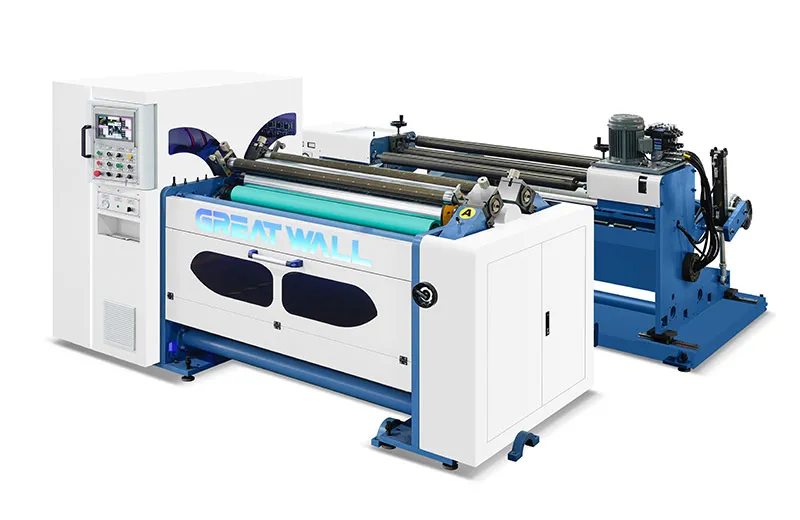
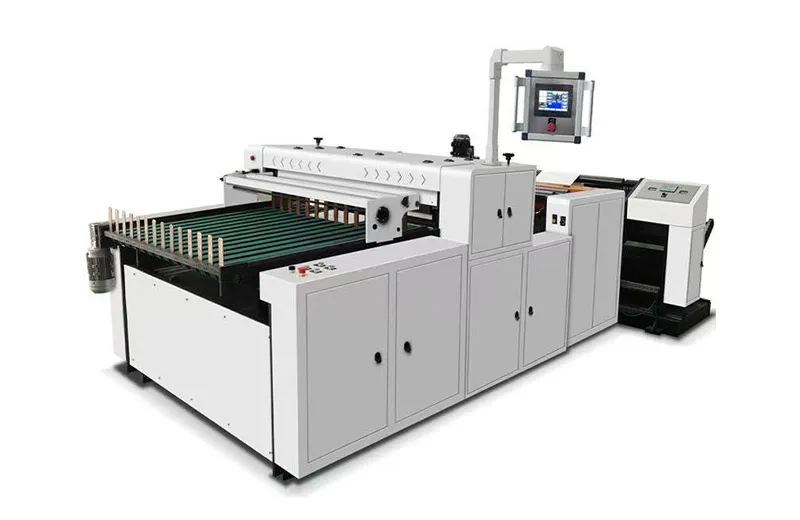
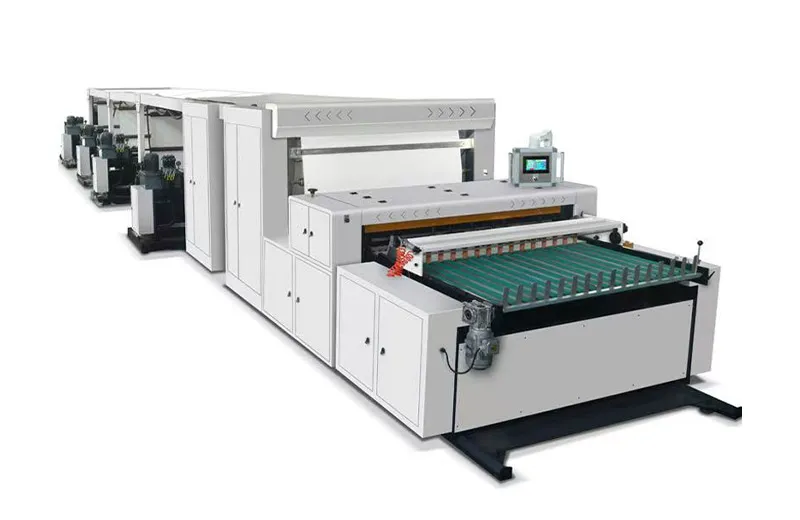
عربي When unexpected malfunctions strike your industrial slitting line, quick and targeted fixes mean the difference between minor delays and costly long-term production halts. A well-maintained Slitting Machine forms the backbone of metal processing, packaging and coil cutting workflows, yet even the most robust production lines encounter wiring errors, parameter drift or mechanical jams during daily operation. For factory managers and maintenance teams across manufacturing sectors, fast-access remote fault diagnosis for industrial cutting lines has become an indispensable way to stabilize output, reduce on-site repair costs and avoid prolonged operational stagnation.
For decades, traditional equipment maintenance relied entirely on on-site engineer dispatch, a rigid model that often suffered from long waiting times, cross-region travel delays and high labor overheads. According to the 2025 Global Industrial Equipment After-Sales Service Report released by the International Manufacturing Technology Federation, over 62% of manufacturing enterprises lose 5% to 12% of monthly production capacity due to slow equipment fault response, while 48% of mechanical line failures do not require on-site disassembly and can be resolved through remote guidance and parameter adjustment alone. This data clearly reveals why forward-thinking factories are now shifting toward intelligent remote service models to upgrade their daily equipment operation and maintenance systems.
Common Hidden Risks That Trigger Slitting Line Operational Failures
Most line breakdowns do not happen without warning; they stem from accumulated minor overlooked issues in daily operation. Many plant operators focus only on large mechanical failures while ignoring subtle abnormal signals that gradually drag down overall line efficiency.
Common recurring issues include inconsistent cutting dimensional accuracy, abnormal noise from transmission components, hydraulic system pressure instability, and intelligent control system program confusion. These problems often emerge after long hours of continuous operation, frequent material type switching, or irregular daily lubrication and inspection.
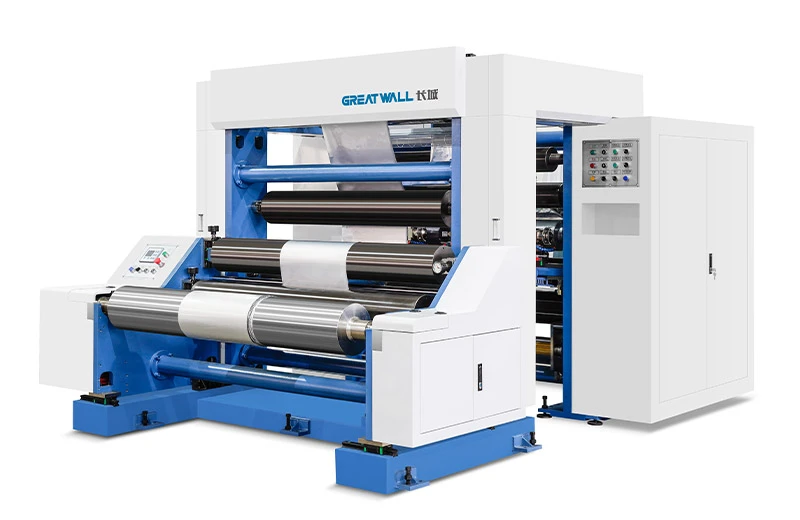
Beyond mechanical wear, intelligent control system mismatch and improper parameter setting are also top culprits. Modern high-efficiency cutting lines integrate servo control, automated feeding and intelligent counting modules, and one wrong parameter modification by frontline operators can trigger continuous line errors. Without professional technical guidance, blind debugging will only expand the fault scope and bring greater repair costs.
The Limitations of Traditional On-Site Maintenance Modes
In the past, whenever cutting lines failed, enterprises had to contact after-sales teams, arrange engineer schedules, and wait for cross-city or cross-regional door-to-door maintenance. This old model has obvious bottlenecks in the current high-efficiency manufacturing environment.
First, time efficiency is extremely low. During peak production seasons, engineering teams are often fully scheduled, and the waiting period for on-site maintenance can range from 24 hours to several working days. Second, cost control is difficult. Travel expenses, labor fees and overtime subsidies for external maintenance personnel will greatly increase the comprehensive after-sales cost of the enterprise. Third, many small and medium faults lack targeted solution archives, and repeated failures often occur after temporary repairs, forming a vicious cycle.
For factories with multi-shift production and non-stop order demands, such passive maintenance methods are completely unable to adapt to flexible production rhythms. It is urgent to adopt a more efficient and lightweight after-sales support method to respond to line faults in real time.
Core Advantages of ChangCheng Remote Technical Support System
As a professional industrial processing equipment brand with years of manufacturing and after-sales experience, ChangCheng has always focused on solving actual pain points for end users, rather than simply providing mechanical equipment sales. We deeply understand that every minute of production line shutdown means lost orders and increased operating pressure for manufacturers.
Our customized real-time remote equipment troubleshooting service is designed for full-scene use of various cutting and slitting lines. Through secure network connection, our professional technical engineers can remotely view equipment operating data, check system operation logs, and guide on-site operators to complete parameter reset, program debugging and simple component testing step by step.
This remote service mode breaks the constraints of time and region. No matter where your factory is located, you can connect with professional technical teams within the shortest time window. To meet the differentiated needs of different industries, we also provide personalized service plans: including 7×24 emergency remote response for large-scale continuous production enterprises, and working-hour customized technical guidance for small and medium processing factories.
Implementation Steps for Efficient Remote Slitting Line Fault Resolution
Standardized operation processes ensure that remote support work is efficient and orderly, avoiding chaotic debugging and misoperation. When your slitting line encounters abnormal conditions, you can follow a clear and simple process to complete fault elimination.
First, contact the ChangCheng after-sales customer service team, briefly describe the fault phenomenon, abnormal sound, shutdown time and affected production links. Second, complete simple equipment connection and authority opening according to the guidance of technical personnel, to ensure stable data transmission of the control system. Third, cooperate with engineers to complete real-time shooting of mechanical operation parts, upload abnormal data screenshots, and implement targeted debugging operations. Finally, after the fault is eliminated, obtain standardized daily maintenance suggestions to prevent similar problems from recurring.
This whole process is simple and easy to operate, and frontline employees with basic equipment operation experience can quickly get started without additional professional training.
Remote Support VS Single Functional Industrial Cutting Equipment: Comprehensive Strength Comparison
Many low-cost, single-function cutting devices on the market only focus on basic cutting performance in the research and development and manufacturing stage, ignoring the later after-sales service system construction. Once such equipment fails, users can only rely on local maintenance teams with uneven technical levels, and it is difficult to obtain original factory professional technical support.
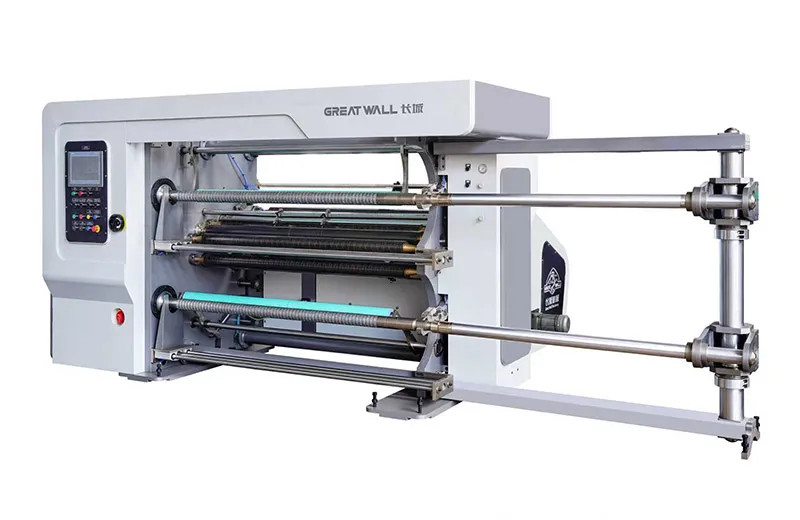
In contrast, the complete set of production and service supporting system built by ChangCheng takes later operation and maintenance into full consideration from the equipment design link. The matching Slitting Machine is optimized in terms of system compatibility, remote connection compatibility and fault self-checking function, laying a solid foundation for efficient remote troubleshooting.
Compared with generic cutting equipment lacking intelligent management modules, our integrated solution combines hardware optimization and software remote linkage. It not only guarantees stable mechanical performance in long-term high-load operation, but also realizes rapid remote intervention for sudden faults. For processing enterprises with diverse raw material types and complex production processes, this one-stop service model can greatly reduce the overall operational risk of the production line.
In addition to fault emergency repair, our remote team can also provide regular equipment health inspection, periodic parameter optimization and production efficiency improvement suggestions. This long-term accompanying technical support is an irreplaceable core advantage compared with ordinary equipment brands that only focus on product sales.
How to Build a Long-Term Stable Operation and Maintenance System for Cutting Lines
Remote emergency support is an effective means to solve sudden faults, and establishing a scientific daily maintenance mechanism is the key to reducing failure frequency. Combined with years of front-line service experience, our technical team summarizes targeted operation suggestions for different working conditions.
Enterprises can formulate refined inspection standards according to production intensity: regular cleaning of transmission parts, timed replacement of hydraulic accessories, regular calibration of cutting precision parameters, and regular backup of control system data. Cooperating with ChangCheng’s regular remote health detection service, potential hidden troubles can be eliminated in the initial stage, truly realizing "prevention first, emergency response as supplement".
For special working conditions such as high humidity, high dust and frequent material switching, we will also provide exclusive customized transformation suggestions and anti-failure optimization schemes according to the actual factory environment, helping each user create a production line operation mode that fits their own characteristics.
Overall, remote support has redefined the after-sales service standard of modern slitting lines, breaking the efficiency bottleneck of traditional maintenance and bringing measurable cost reduction and efficiency improvement to manufacturing enterprises. With mature technical reserves, standardized service processes and humanized customized plans, ChangCheng continues to help global users stabilize production output and reduce equipment operation risks in the fiercely competitive manufacturing industry. Whether it is sudden line failures or long-term operational efficiency optimization, professional remote technical guidance will always be the most cost-effective choice for modern processing factories.