 English
 Español
 عربي
عربي In my opinion, preventing material jamming in straight-blade sheet cutter machine hinges on three key aspects: performing necessary pre-operation checks, correctly matching cutting parameters to the material being processed, and adhering to daily maintenance routines. Approximately 83% of jamming problems are caused by neglecting these three steps. If you are a buyer of sheet metal processing equipment, jamming not only reduces production efficiency but also damages blades, deforms workpieces, and can even shut down the entire production line.
Pre-operation checks are the first line of defense against jamming, and this is undeniable. Many operators are eager to start the shearing machine but neglect the checks, ultimately leading to costly downtime. We previously worked with an automotive parts factory whose straight-blade sheet cutter machine frequently experienced jamming. It was later discovered that the feed rollers were loose, preventing uniform clamping of the sheet metal. The solution? A simple 5-minute check before each shift. Start by ensuring the feed rollers and blade guides are clean—free of debris, rust, or residual metal shavings. Use a soft brush to clean these areas. Then check the lubrication: Great wall's straight-blade sheet cutter machine use a centralized lubrication system, so simply ensure the oil level is as indicated in the diagram and that the lubricating oil is clean. Dry components increase friction, causing the sheet metal to drag and leading to jamming. Finally, check the blade gap—a common cause of jamming.
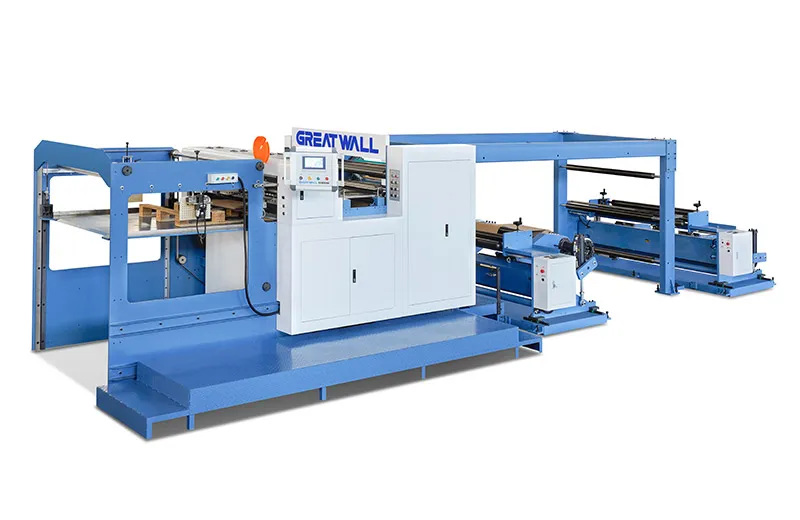
Industry standards specify a gap of 10-20% of the sheet metal thickness, but Great wall sheet cutter machines use a digital gap adjustment system. This means that whether you are cutting 0.3 mm aluminum sheets or 20 mm carbon steel plates, you can achieve precise calibration—eliminating guesswork, which is a significant cause of jamming. Correctly matching parameters and controlling the environment are equally important, especially when performing high-volume production or processing various materials. Static electricity is a hidden cause of malfunction, especially in dry environments. When processing coated sheet metal or thin aluminum sheets, static electricity can cause the sheets to stick to the pressure plate or to each other. Great wall's straight-blade sheet cutter machine have a maximum speed of 30-200 strokes/minute, but running them at maximum speed when using thicker or harder materials can overload the drive system and affect sheet metal feeding.
Regular maintenance can transform occasional malfunctions into virtually non-existent problems, and Great Wall's customized maintenance services are a key advantage. Routine maintenance should be performed at the end of each shift, taking approximately 10 minutes – primarily cleaning and lubrication. Don't forget to sharpen the blades! Dull blades will tear the material instead of cutting cleanly, which will inevitably lead to malfunctions. Great Wall recommends sharpening the blades as soon as burrs appear, and their after-sales team will even provide on-site guidance on proper operation. Every six months, a comprehensive inspection of the gaskets and bearings is also necessary. Gaskets can become misaligned due to wear or impact, affecting material feeding and directly causing malfunctions. Great Wall's two-year warranty includes regular on-site inspections – technicians will use precision gauges to check alignment and replace worn parts before problems arise.
The best way to prevent equipment jamming is to combine correct operating procedures with reliable and durable equipment. Great Wall's straight-blade sheet cutter machine feature robust frames and blade materials, maintaining stability even under heavy loads. Furthermore, they offer customizable features such as laser positioning and automatic unloading. Whether it's a general system or another system, we can provide solutions tailored to our customers' specific needs. For example, if you need to process long sheets of paper that are prone to sagging and causing jams, our features can address this problem. For buyers, investing in a cutting machine with a good anti-jamming design is only the first step. Great Wall's comprehensive services – from pre-sales material testing to on-site training and lifetime maintenance – ensure your equipment always runs smoothly and never jams. Most importantly, remember: jamming is not a problem you have to tolerate. By paying attention to detail and using equipment that matches your production needs, rather than equipment that works against them, this problem can be easily solved.
If you already have some ideas about our products, please click on Great Wall's contact page!